Completed
BEGO
Built local AI for personalized customer communications using order history, 1C data and company knowledge.
BEGOEnterprise products / automation / analytics
We build operational platforms, mobile apps and analytics. We connect them to ERP, CRM and industry services, then launch and develop them.
Discuss a challengeCurrent practice
Developing existing products and designing new systems.
Completed
Built local AI for personalized customer communications using order history, 1C data and company knowledge.
BEGONext phase in design
Extended financial workflows: planned profit, market rates and per-load calculations with data exchange to 1C.
ERP architecture
Designing the connection between purchasing, deliveries, goods receipt and financial records. Developing the architecture, data models, roles and data exchange with external systems.
CRM · in progress
CRM work for a sports camp agency. Developing the venue catalogue, enquiry intake and links to sports facilities.
Published cases
01 / Logistics
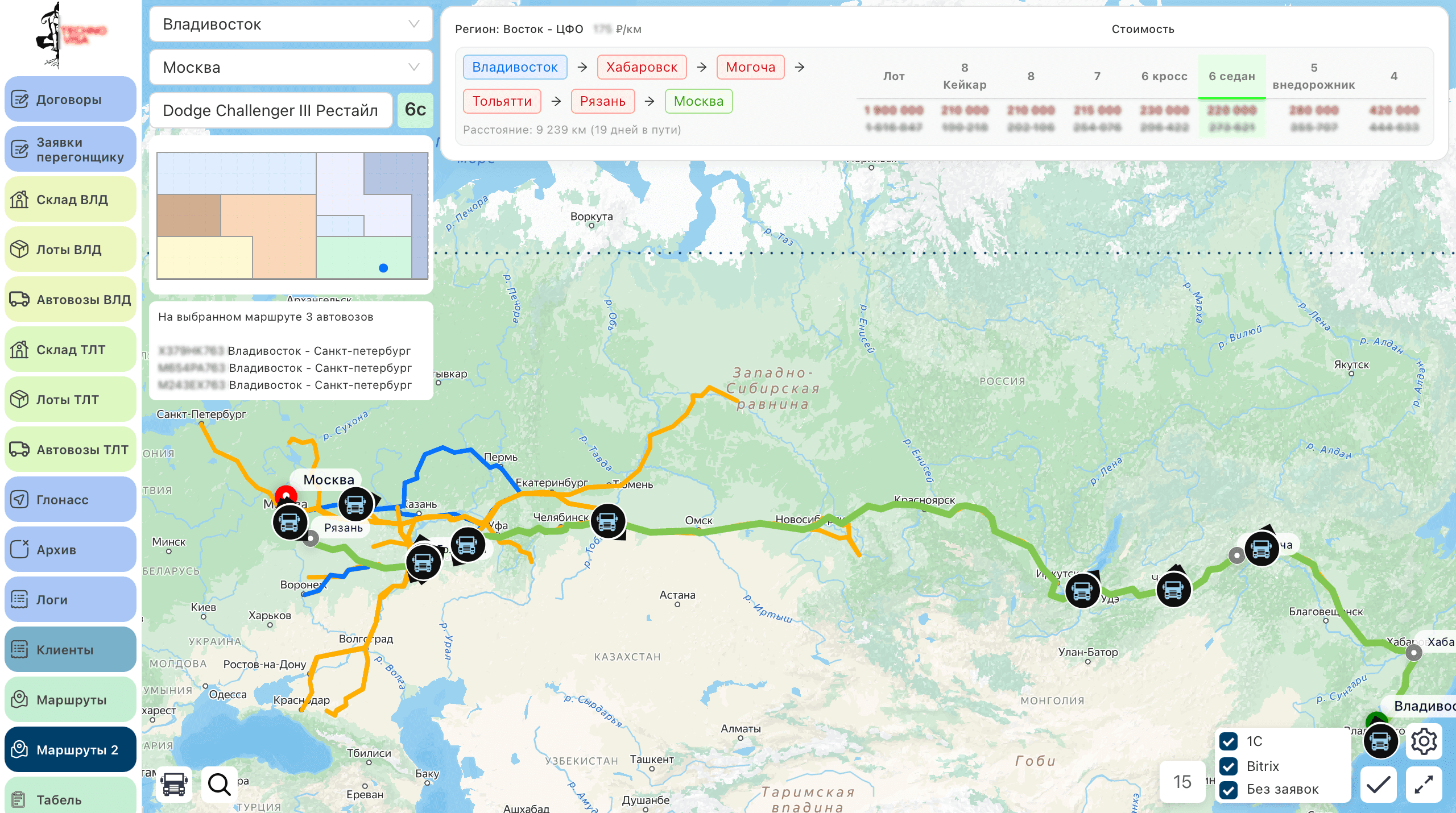
Carrier load planning, a customer portal and a carrier auction connect to the company's existing systems. From vehicle dimensions to delivery status.
02 / Aviation
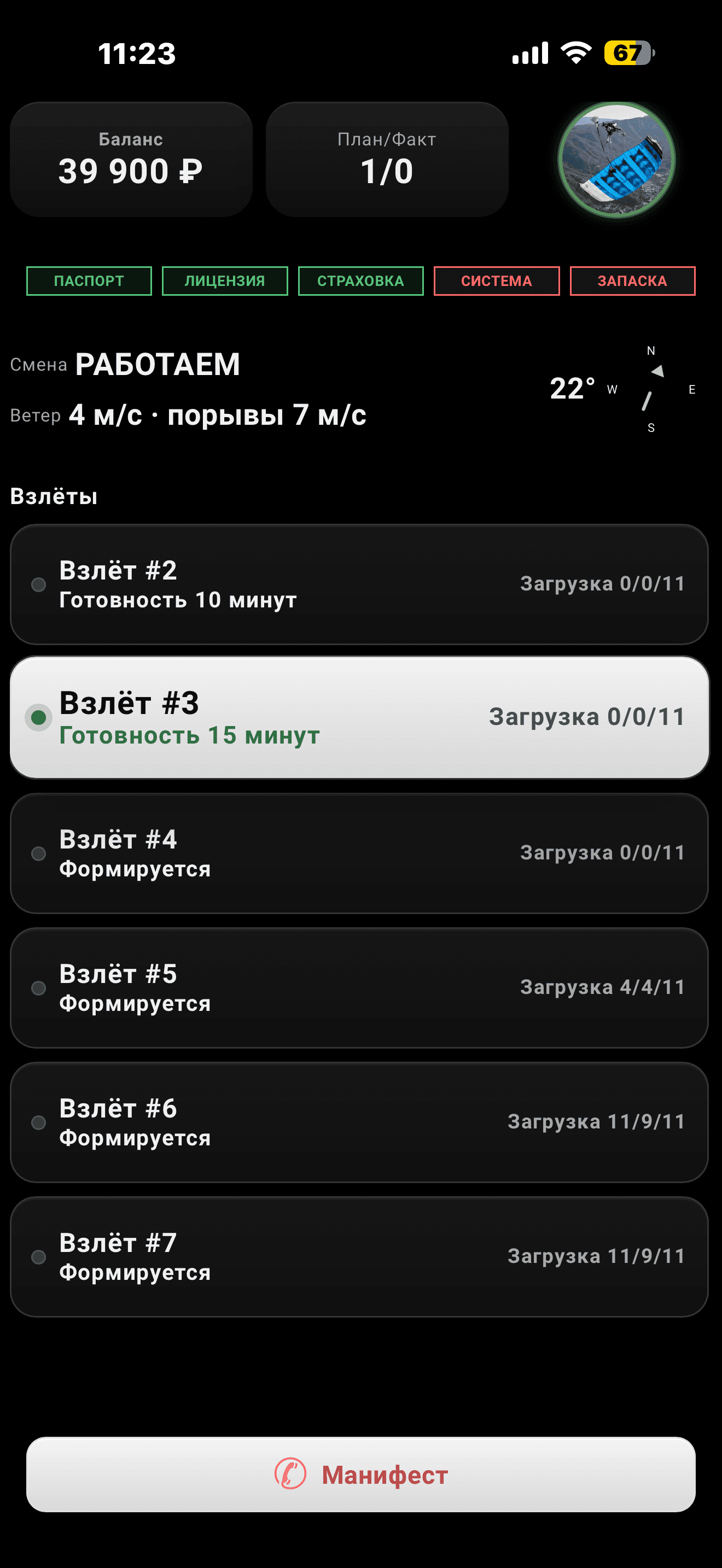
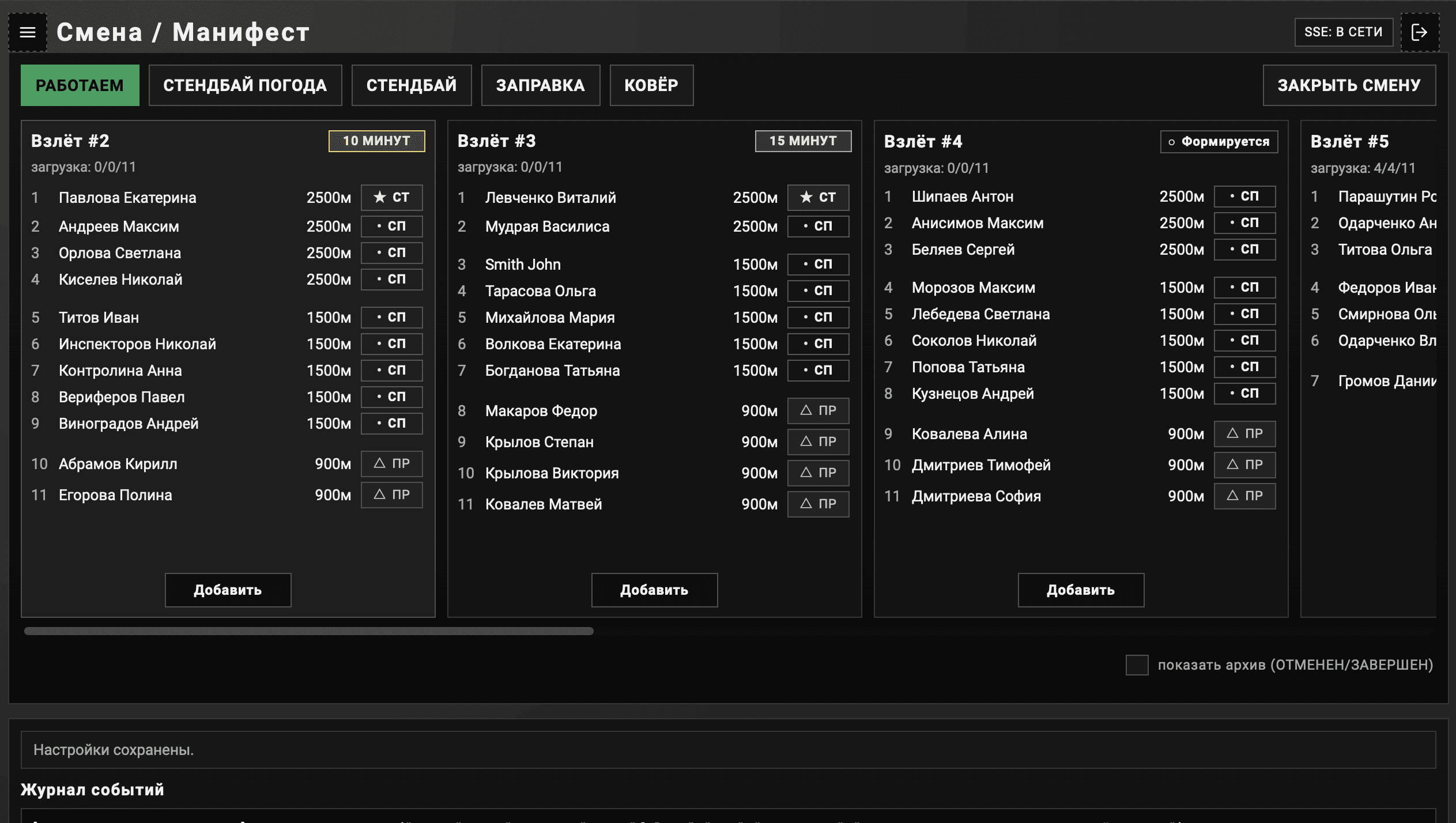
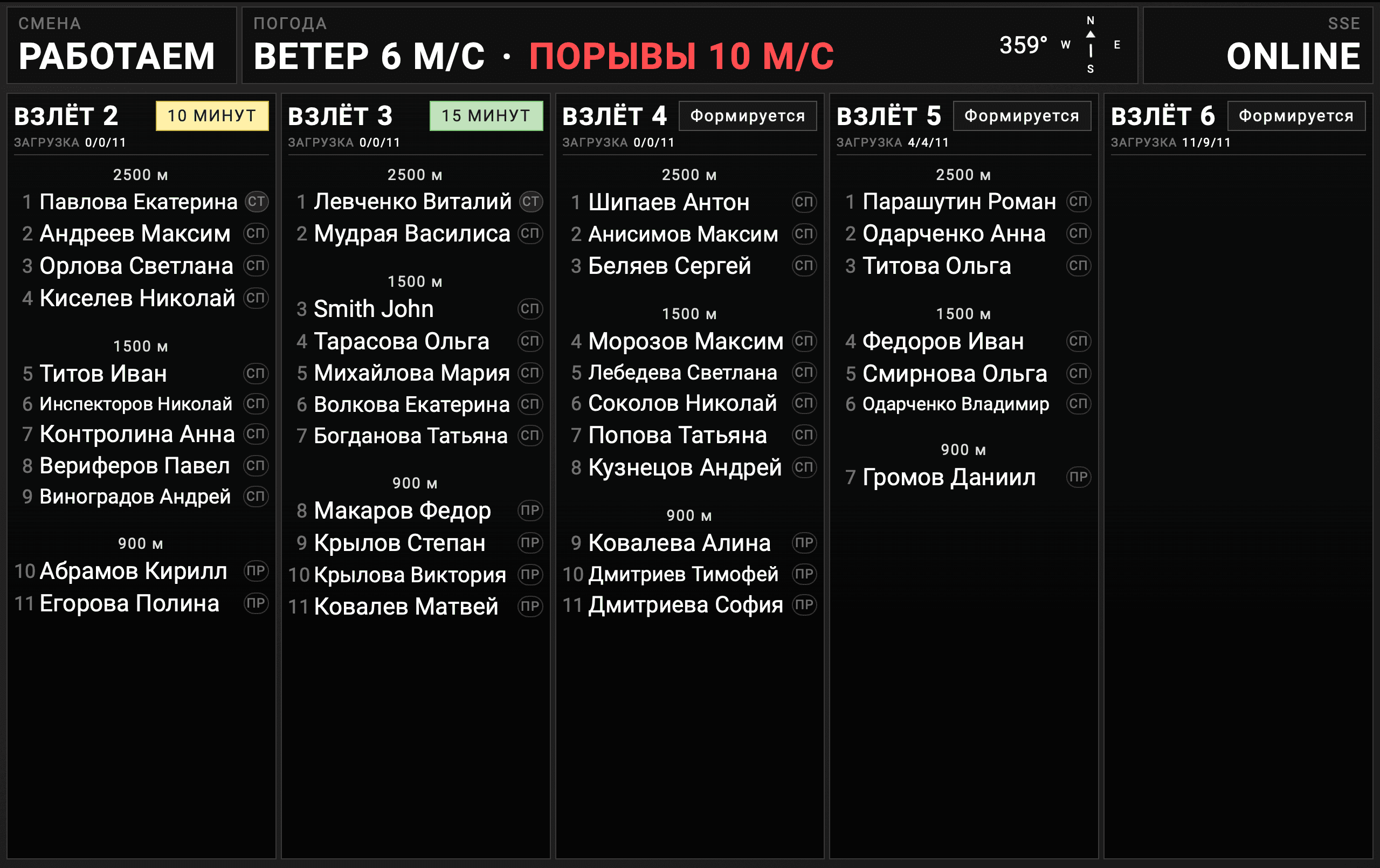
The operator builds the manifest, the participant uses a mobile app and the team follows departures on shared boards. Eligibility checks, inventory and rentals belong to the same service.
03 / E-commerce & finance
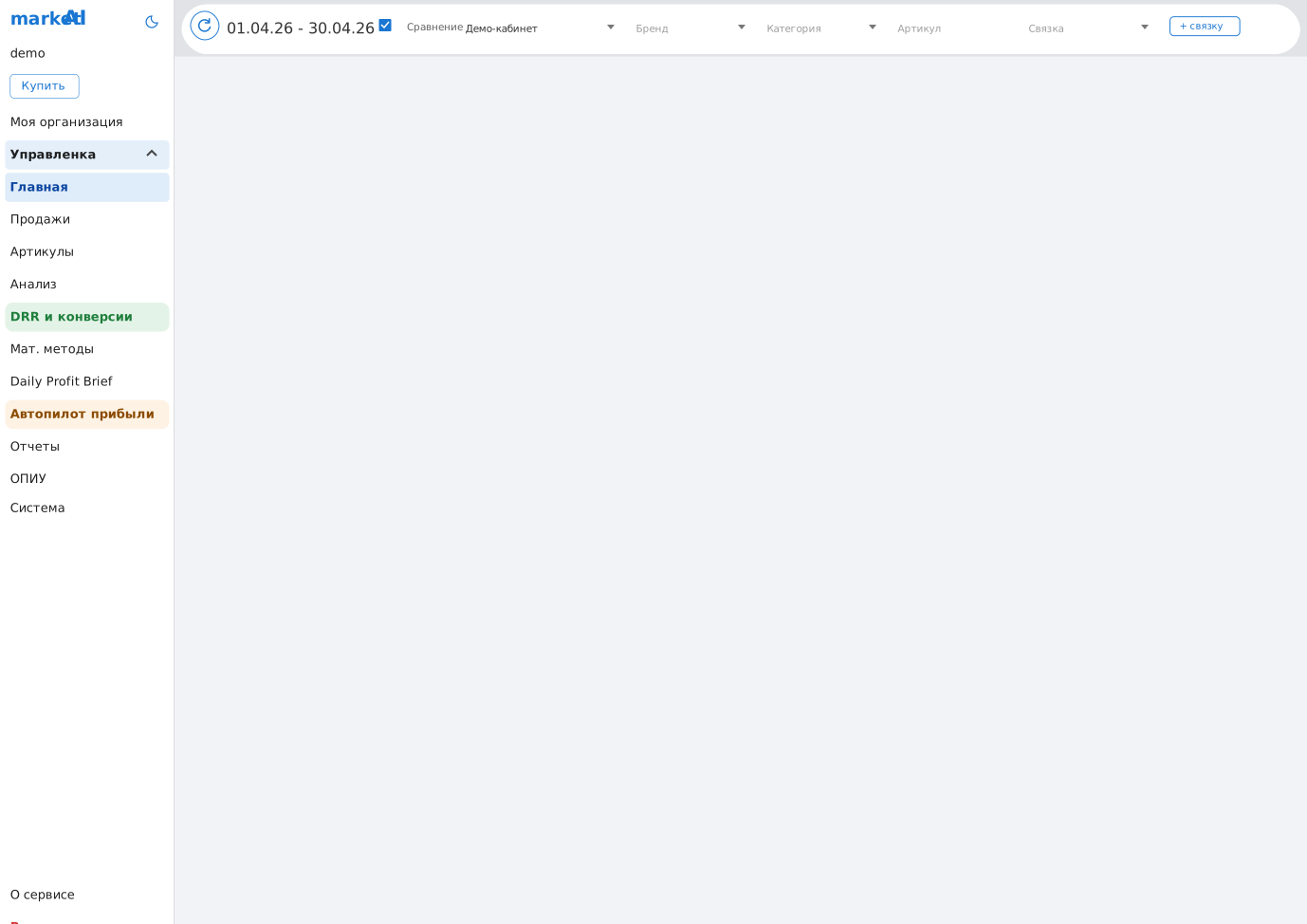
marketAI brings Wildberries orders, sales and costs into management analytics. The team sees contribution profit and can investigate the economics of each SKU.
Challenges & solutions
We define the process that needs to work as a whole. Then we design the product, connect its data and take the workflow through to launch.
The team runs one process across separate interfaces and passes status updates manually.
Customer portals, mobile apps, operator workspaces and shared access rules.
See the DZ Board solution Service detailsDecisions depend on CRM data, industry systems and business constraints at the same time.
Process models, ERP and CRM exchange, maps, routes and automated data handoffs.
See the TMS solution Service detailsReports show isolated metrics, while decisions require a complete economic picture.
Management models, dashboards, product analytics, forecasts and recommendations.
See the marketAI solution Service detailsEngineering in practice
Examples from published products show how we connect constraints, roles and data. Every screen serves a specific operational workflow.
Load planning accounts for a vehicle's dimensions, weight and wheelbase. These determine placement and the carrier's permitted load.
The manifest, eligibility checks and departure boards serve different people on a shift. Their actions and statuses connect within one service.
Revenue becomes useful for management when advertising, logistics, storage and penalties are accounted for alongside it.
The essentials
With a process review: people, systems, sources, manual operations, constraints and an outcome metric.
The new layer keeps existing systems in place and connects them through APIs and data exchange.
Yes. The audit defines one process, clear users, available data and a measurable criterion.
Published cases use 1C, BITRIX24, Wildberries API, Wialon, maps, spreadsheets and industry services. The exact set depends on your architecture.
Start with the challenge
Send an email or move straight to Telegram.